The year 2026 will be one in which the injection molding industry will consolidate three key words: sustainability, data and speed. Companies will look for more efficient and traceable processes, more responsible materials, and solutions that can reduce time and cost without sacrificing quality and reliability.
In this scenario, the one who combines co-design, process control, and manufacturing capability-that is,an integrated method from feasibility to delivery-wins.
Sustainability as a standard (no longer an option)
Environmental demands are no longer a “trend”-they are the new normal. In 2026 we will see increasingly clear specifications on
For mold and component makers, it means rethinking the details: hot runners and attachments to reduce scrap, optimized walls to save material, shorter cycles without losing dimensional stability.
How Meccanostampi responds: we integrate sustainability and quality into the method: targeted choice of polymers, reduction of process waste, continuous monitoring of parameters and a certified system (ISO 9001, ISO 14001, ISO 45001; IATF 16949 principles for automotive; ESG rating). The use of recycled materials and/or materials with recycled content are a necessity unfortunately not always approved by customers. The decay, albeit minimal, of certain mechanical properties, especially on finished products that require high performance and reliability over time, are a limitation for their acceptance. Therefore, the challenge is to match co-design solutions that reduce the weight of the part (thus reducing the use of plastic) or allow easy disassemblies (ensuring easy regeneration of the product in the second life phase) .
Materials: between bio-based, recycled and high-performance polymers
2026 will push the use of recycled and bio-based materials where technically possible, alongside high-performance engineering plastics for the most demanding parts (thermal resistance, stiffness, electrical insulation, stability over time).
There is no “magic material” that is good for everything: the real differential lies in co-design with the customer, starting with the actual requirements of the part (function, usage environment, volumes, aesthetics) and translating them into the right choices on polymer, treatments, and mold architecture.
How Meccanostampi responds: we work upstream- feasibility and co-design-to align specifications, polymers, and mold design. The goal is to combine performance, repeatability and total cost over the life cycle.
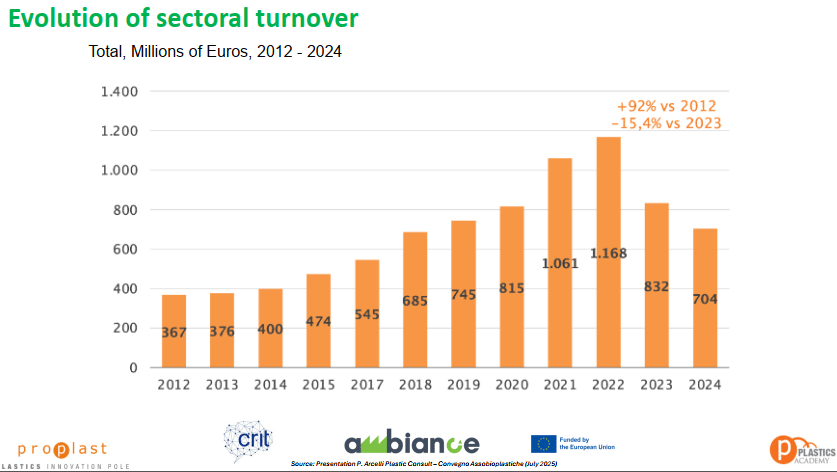
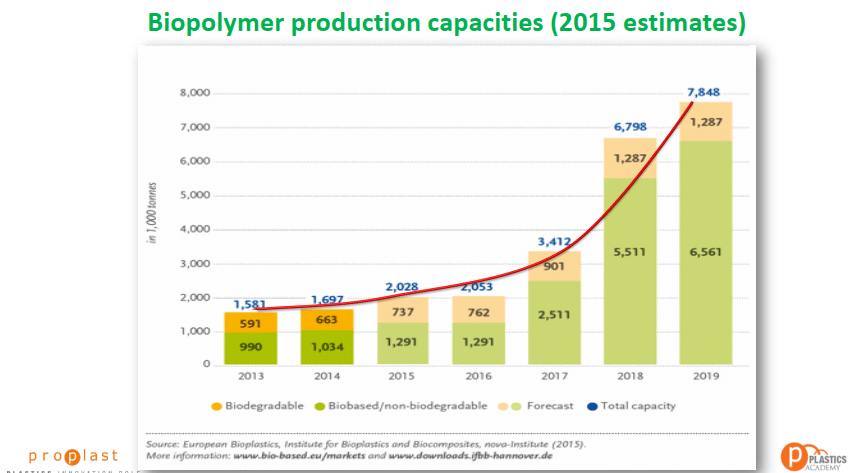
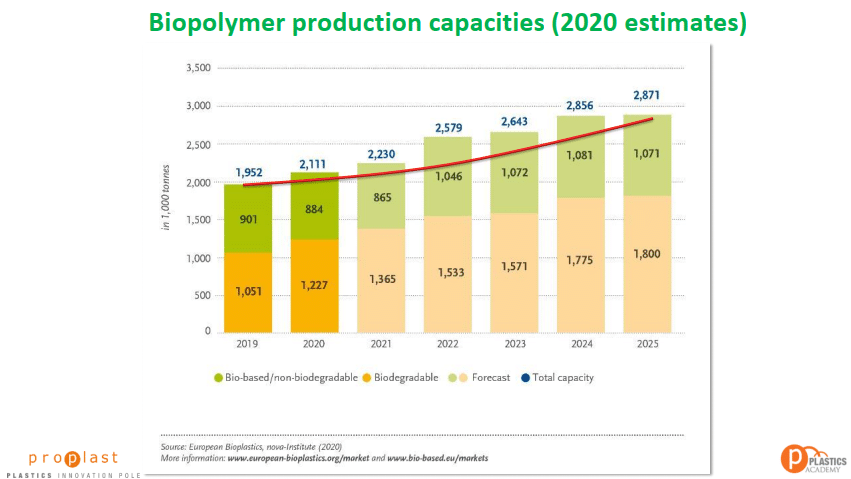
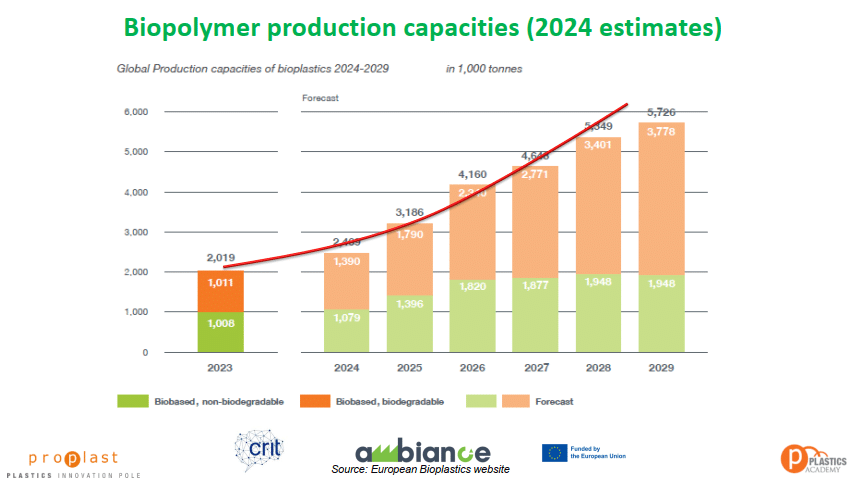
In recent years, the adoption of bio-based plastics has not reached initial expectations. The
Today, the most concrete trajectory for bio-based polymers concerns mainly packaging and agritech, while in the automotive, lighting, and home appliance sectors the focus remains on lightweighting, production efficiency, and material consumption reduction, rather than on full replacement of fossil-based engineering plastics.
“Useful” automation: online quality and faster time frames
Automation does not just mean robots: in 2026 we will be talking about integrated cells in which handling, inspection-and when needed-secondary operations (cutting, assembling, marking) take place without moving the part.
With in-line quality controls and continuous data collection, it becomes easier to correct on the run, reduce unplanned downtime, and ensure repeatability even on large volumes.
How Meccanostampi responds: our 140-press fleet works interconnected with planning and control systems. In many applications we integrate robotic islands, customized gripping hands (including 3D printing), and 100 percent automated verification to combine speed and reliability.
Data to help you decide
The extra step is the intelligent use of process data. It’s not enough to “measure”-you need to read the data to understand where to improve a cycle, when to schedule maintenance, how to prevent dimensional drift. In 2026 it will become normal to deliver components with lot traceability and a clear digital “history,” useful for audits and ongoing optimization.
How Meccanostampi responds: traceability, real-time monitoring, and analysis tools are part of our daily routine. This accelerates continuous improvement and reduces variability, with measurable benefits on time, scrap and final quality.
The advantage of a single method (from design to product)
What the market demands in 2026 is a partner capable of presiding over all phases: listening, co-design, mold design, construction, molding, quality control, logistics.
This reduces steps, shortens time and makes quality measurable. This is why we talk about method: a truly integrated supply chain, with clear responsibilities and competencies at each step.
If you want to align your next project with 2026 trends, let’s start with listening and shared technical feasibility-that ‘s where ideas take shape-and become reliable results.
Let’s talk about it here → Contact